
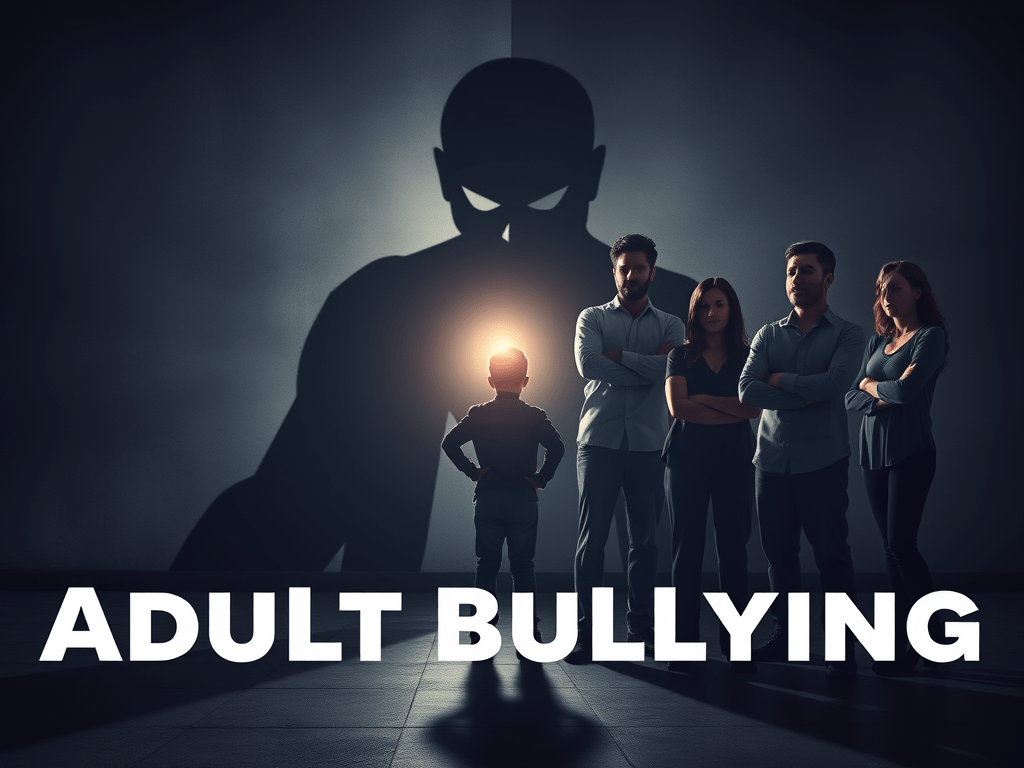
ADULT BULLYING
Have you ever realized—perhaps too late—that you were antagonizing someone, even unintentionally? It happens more often than we admit, especially in the workplace or on social media. Let’s talk about it, because it’s time we address a harsh truth: many adult bullies are simply childhood bullies who were never held accountable and carried those same toxic behaviors into adulthood.
Yes, I said it—and I’ll say it again: adult bullies exist. They use harassment, intimidation, and manipulation not just to get what they want, but to feel powerful and in control. These behaviors aren’t always loud or violent; they can be subtle, strategic, and emotionally corrosive. Psychologically, bullies target insecurities, using shame as a weapon to tear others down.
It’s time we identify these patterns, confront them head-on, and foster environments—whether in the workplace, on social media, or in our everyday lives—where empathy, respect, and accountability take the lead over fear, control, and intimidation.
Most of us encounter bullies at some point in our lives. While many assume bullying is limited to childhood, the reality is that it often continues well into adulthood. Adult bullying is a serious and frequently overlooked issue that can be just as harmful—if not more so—than what we experience as children.
Many adults who bully others have endured difficult pasts. They may have been emotionally neglected, abused, or bullied themselves. Some are victims of ongoing violence, and others may revert to childhood behaviors when under stress. In some cases, the behavior is intentional; in others, it’s subconscious—manifesting in ways the individual doesn’t even recognize as harmful.
As adults, we can both experience and exhibit bullying—sometimes without realizing it. This blog explores the different types of adult bullies, what you can do if you’re a victim, a bystander, or even the perpetrator, and practical steps you can take to address adult bullying in the moment.
We often become complacent with our words and actions, especially if no one has ever challenged our behavior. But silence doesn’t make it acceptable. It’s time we shine a light on adult bullying and treat it with the seriousness it deserves—including recognizing when legal intervention is necessary.
IDENTIFYING THE DIFFERENT TYPES OF ADULT BULLYING
It’s essential for adults to recognize and understand the various forms and patterns of bullying. Once we become aware of the different levels and behaviors associated with bullying, we can take intentional steps to eliminate negativity from our lives—both as potential victims and as individuals who may unknowingly be contributing to the problem.
Bullying is not limited to physical aggression. It can manifest in emotional manipulation, verbal abuse, or even through written communication such as emails, texts, or social media posts. By educating ourselves on these dynamics, we create space for healthier interactions, greater empathy, and a stronger commitment to respectful, mindful behavior in both our personal and professional lives.
Adult bullying isn’t always obvious. It can be subtle, calculated, or even masked as “tough love” or sarcasm. Understanding the different forms it takes is the first step toward recognizing and addressing it. Here are some of the most common types of adult bullying:
1. The Aggressive Bully
This type uses overt intimidation tactics—yelling, threats, public humiliation, or physical posturing—to dominate others. Their behavior is loud, hostile, and meant to instill fear or submission.
2. The Passive-Aggressive Bully
Instead of direct confrontation, this bully manipulates through sarcasm, backhanded compliments, silent treatment, or subtle digs. Their tactics can be emotionally draining and are often dismissed as “just joking.”
3. The Narcissistic Bully
Driven by ego and insecurity, this individual seeks constant validation and uses others to prop up their self-worth. They may belittle, gaslight, or undermine those around them to maintain control and feel superior.
4. The Covert Bully
This person works behind the scenes—spreading rumors, excluding others, or sabotaging reputations. Their bullying is strategic and calculated, often going unnoticed until damage is done.
5. The Cyberbully
With the rise of digital communication, bullying through emails, texts, and social media is increasingly common. Adult cyberbullies may harass, mock, or intimidate others from behind a screen, often anonymously.
6. The Workplace Bully
Often in positions of authority, these individuals misuse their power to intimidate, micromanage, or undermine colleagues. They create toxic work environments by exploiting hierarchy or playing office politics.
7. The Situational Bully
Some people only exhibit bullying behavior under specific conditions—stress, competition, or personal insecurity. They may not be consistent bullies but can still cause harm when triggered.
Recognizing these patterns is crucial not only for protecting yourself but also for stepping in when you see others being mistreated. In the next section, we’ll explore how to respond—whether you’re a victim, a bystander, or even realizing you’ve been the bully.
BULLYING EMOTIONALLY
Emotional bullying among adults often relies on words and actions designed to mock, shame, intimidate, or isolate another person—causing them to feel fear, anger, or deep discomfort. Sometimes, these actions are intentional. Other times, they stem from deeply ingrained habits that have gone unchecked. When emotional bullying becomes normalized for the perpetrator, it’s usually because no one has ever challenged or corrected their behavior—leading them to believe it’s acceptable.
In the workplace, emotional bullying can take many forms. A supervisor might overload an employee with unrealistic responsibilities as a form of punishment or control. Similarly, a colleague might deliberately withhold help or resources in the hopes of watching someone fail. These behaviors aren’t always loud or obvious, but they are damaging—and they often stem from jealousy, control issues, or unaddressed insecurities.
Whether it’s through passive-aggressive remarks, exclusion, or intentional sabotage, emotional bullying is a form of psychological harm. It can and should be recognized for what it is: a toxic pattern that deserves to be confronted and corrected, not tolerated. Identifying these behaviors is the first step toward creating respectful, supportive environments where everyone can thrive.
BULLYING in WRITING
Bullying through written communication is a growing issue in our modern environment—one that occurs far more frequently than many realize. Whether through social media, emails, or comment sections, written bullying by adults has become an alarming norm. While some perpetrators are fully aware of their actions, others may not even recognize their behavior as bullying.
As a sociologist, I understand that many of these behaviors are deeply rooted in childhood experiences. For some adults, bullying was a normalized part of their upbringing—whether witnessed or endured. Others may engage in harmful written communication simply because they’ve seen it modeled repeatedly and never questioned its impact.
Spending time on social media daily, I’ve become increasingly disturbed by the level of hostility and cyberbullying that takes place behind the safety of a screen. The anonymity and distance provided by digital platforms have made it far too easy for people to mock, harass, and degrade others without accountability.
Research and observation also show that adults who are frequent targets of online bullying often struggle with underdeveloped social skills, heightened anxiety, or low self-esteem. These vulnerabilities can make them easy targets for cyberbullies seeking to assert dominance or mask their own insecurities.
Recognizing written bullying for what it is—intentional or not—is crucial. We must hold ourselves and others accountable for the language we use, especially in writing, where tone and intent can easily be misconstrued or weaponized. Only through awareness and responsibility can we begin to foster more respectful, compassionate online and offline communities.
BULLYING VERBALLY
Words have the power to uplift—or to deeply wound. For many adults, verbal bullying is a hidden source of lasting trauma. Verbal bullies use language as a weapon, aiming to control, humiliate, or emotionally destabilize their targets. This type of bullying may include gossip, spreading rumors, telling hurtful jokes, making suggestive or damaging comments, cruel teasing, direct insults, or even aggressive yelling and threats.
Common verbal bullying behaviors include:
Teasing, name-calling, and taunting Spreading rumors or false narratives Intentionally embarrassing someone in public Using sarcasm or innuendo to demean or belittle
One of the most empowering steps you can take is to talk about what you’re experiencing. Speaking out—whether to a trusted friend, colleague, or professional—can give you the courage and support needed to begin addressing the issue.
When confronting a verbal bully, assertiveness can be key. Calmly calling out their behavior—such as saying, “That joke is tired,” or *“Name-calling doesn’t make you look clever”—*can disrupt their power dynamic and reclaim your voice. Remember, standing up for yourself isn’t confrontation—it’s self-respect.
HOW TO PREVENT BEING BULLIED
How to Prevent Being Bullied as an Adult
While no one can control the actions of others, there are proactive steps you can take to protect yourself from being targeted by bullies—whether in the workplace, online, or in personal relationships. Prevention starts with self-awareness, boundary-setting, and seeking support when necessary. Here are some strategies to help you safeguard your emotional and psychological well-being:
1. Establish Clear Boundaries
Be confident and assertive in communicating your limits. Let others know what behavior is unacceptable, and don’t be afraid to enforce those boundaries. Bullies often target individuals they perceive as passive or unlikely to push back.
2. Develop Self-Confidence
Confidence is one of the strongest deterrents to bullying. When you carry yourself with assurance and self-respect, bullies are less likely to see you as a vulnerable target. This doesn’t mean being aggressive—it means knowing your worth and not tolerating disrespect.
3. Avoid Engaging with Toxic Individuals
If someone consistently exhibits bullying behavior, limit your interaction with them as much as possible. Bullies often thrive on attention and reaction. Disengaging calmly can take away their power.
4. Document Incidents
If you’re being bullied—especially in professional settings—keep a record of specific incidents including dates, times, and what was said or done. Documentation can be crucial if the situation escalates and you need to take formal action.
5. Seek Support
Talk to someone you trust—a friend, counselor, supervisor, or HR representative. Don’t try to navigate bullying alone. External perspectives can offer guidance, validation, and strength to address the issue.
6. Know Your Rights
Familiarize yourself with workplace policies, harassment laws, and online safety regulations. If bullying crosses legal or organizational boundaries, you have the right to take action through formal channels.
7. Practice Emotional Resilience
Engage in self-care and stress management techniques such as journaling, meditation, exercise, or therapy. Emotional resilience doesn’t mean ignoring bullying—it means equipping yourself to respond thoughtfully and protect your peace.
8. Call It Out When You See It
If you’re a bystander, don’t remain silent. Silence enables bullies. Speaking up in support of someone else sends a strong message and helps create a culture where bullying is not tolerated.
Preventing bullying starts with awareness and action. While we can’t always stop a bully’s behavior, we can control how we respond—and take the steps necessary to protect ourselves and others.
CONCLUSION
After reading this blog, I hope many adults will begin to reflect more thoughtfully on their actions and the impact they have on others. It’s crucial that we, as adults, become more mindful of our behavior—especially when it comes to respecting the feelings, boundaries, and emotional well-being of those around us. Awareness is the first step toward creating a more compassionate and respectful adult culture, both personally and professionally.
Follow my YouTube page to be the first to know about upcoming appearances, book signings, and special events at Russell Book—subscribe and hit the notification bell to become an official Russell Book Fan!
Discover the full collection of my books on my website—each one thoughtfully created to teach children valuable life lessons, promote positive growth, and inspire them to become the best version of themselves.
If you enjoyed reading this blog post, I invite you to show your support by completing a brief 8-question survey. Your feedback helps contribute to my growth as an author and supports my mission to educate and empower children to become the leaders of tomorrow. My goal is to continue teaching children about important social and psychological norms—and you can help by clicking the link Russell Book Survey. Thank you in advance for your participation and support in helping shape the minds and hearts of children around the world. Your involvement truly makes a difference.
 Russell Books